
Boxwoods vs the Box Tree Moth: How to prevent damage
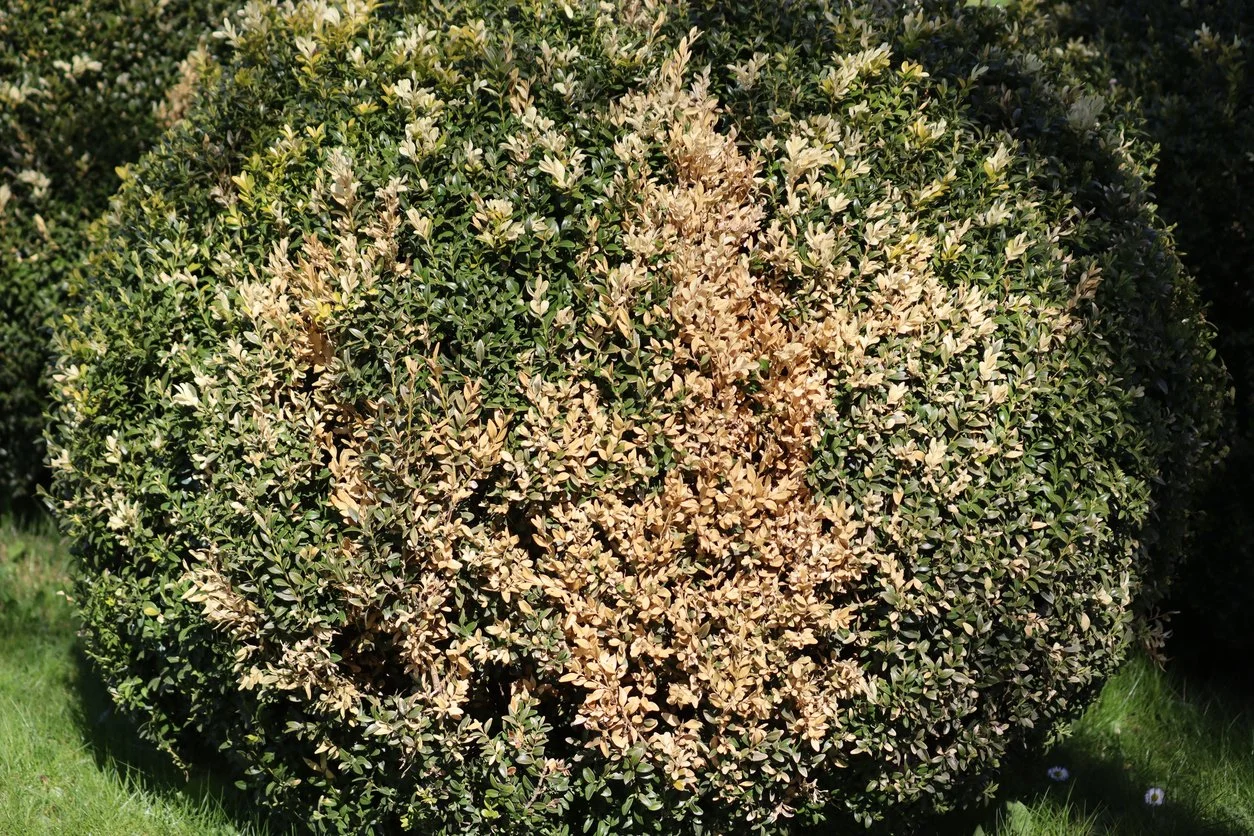
Boxwood shrubs have been one of the signature landscape plants in the Detroit area. From historic homes in Grosse Pointe to suburban landscapes throughout Macomb and Oakland Counties boxwoods have been prized for their evergreen color, clean shape, and low-maintenance appeal.
Now a new invasive pest is threatening them across southeast Michigan: the Box Tree Moth.
The insect may sound harmless, but its caterpillars can rapidly strip a healthy boxwood bare and in severe infestations, kill mature shrubs entirely.
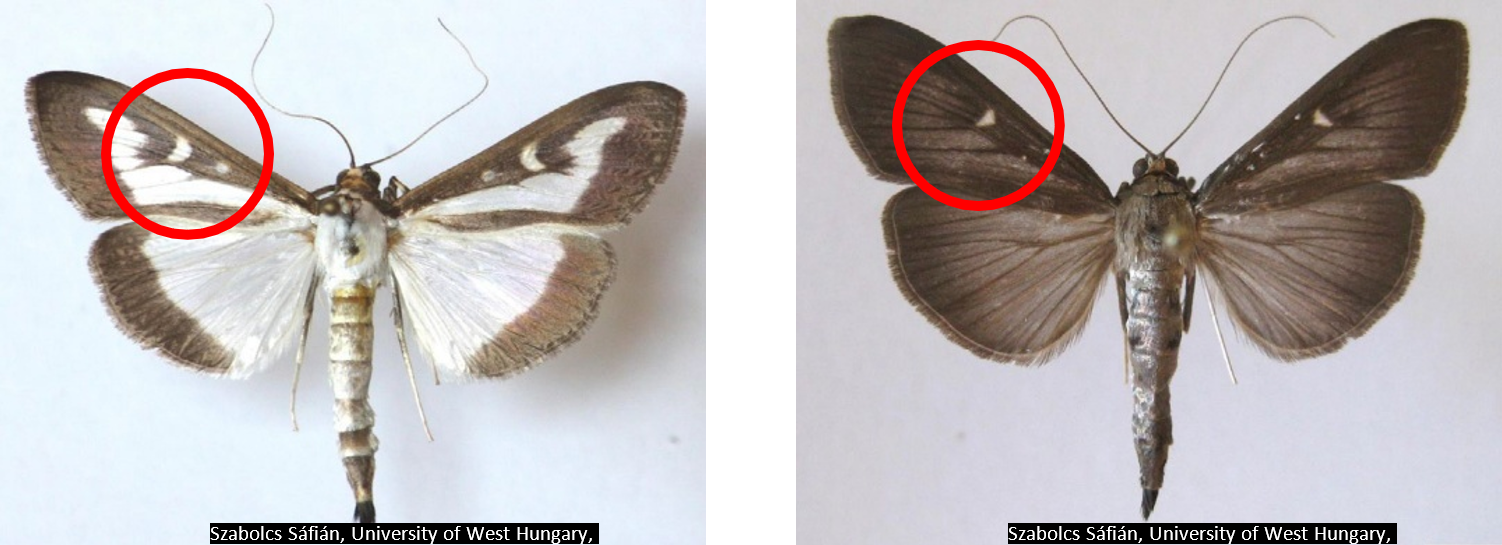
Adult moths, active from June to October in Michigan, can be either light or dark in coloration, with white forewing spots (circled in red). The light form is typical of N. American populations. Wings are held open at rest. - Michigan State University Extension
What Is the Box Tree Moth?
The box tree moth (Cydalima perspectalis) is an invasive insect native to East Asia. It was first detected in North America in 2021 and has since spread into several states, including Michigan.
Michigan officials now consider it an established invasive species in southeast Michigan. The quarantine area currently includes Wayne, Oakland, Macomb, Washtenaw, Livingston, Monroe, St. Clair, and several additional counties.
The moth itself is fairly attractive (white wings with a bronze-brown border) but the real damage comes from its larvae. The caterpillars feed aggressively on boxwood leaves and bark.
Why Detroit-Area Homeowners Should Pay Attention
Boxwoods are everywhere in metro Detroit. They are commonly used for:
Foundation plants
Formal hedges
Entryway borders
Historic gardens
Topiary and sculpted shrubs
Unfortunately, box tree moth caterpillars appear to love them just as much as homeowners do.
According to the Michigan Department of Agriculture and Rural Development and Michigan State University Extension, heavy infestations can completely defoliate shrubs. Once the leaves are gone, the caterpillars begin feeding on bark and stems, eventually girdling and killing the plant.
Because boxwoods stay green year-round, many homeowners don’t notice the damage until the shrubs suddenly begin turning brown.
Signs Your Boxwoods May Be Infested
The earliest symptoms are easy to miss. Homeowners often assume winter burn, drought stress, or boxwood blight is the culprit.
Watch for these warning signs:
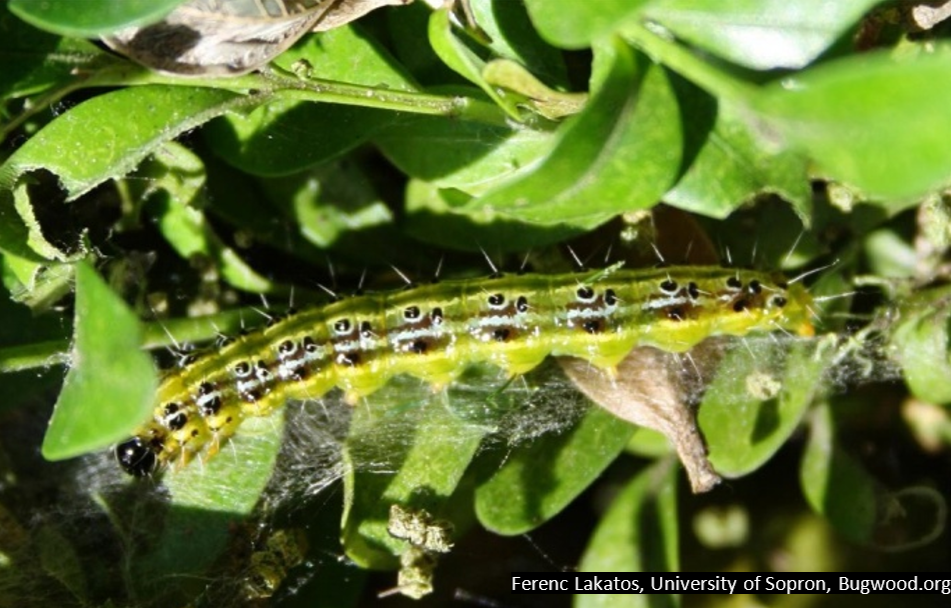
Chewed or “skeletonized” leaves
Fine webbing inside the shrub
Green-and-yellow caterpillars with black stripes
Brown patches developing rapidly
Excessive leaf-drop beneath the shrub
Entire sections dying within weeks
The caterpillars often hide deep inside dense shrubs, making infestations difficult to spot early.
Why the Problem Is Getting Worse
One major concern is that box tree moth has very few natural predators in Michigan. State officials warn the insect can spread roughly five miles per year naturally, with human transport of infested plants accelerating the problem even more.
Many local homeowners are now reporting rapid decline in shrubs that had been healthy for decades. Discussions on gardening and landscaping forums increasingly mention widespread boxwood damage throughout southeast Michigan and Ontario.
Can Infested Boxwoods Be Saved?
Sometimes — but early detection matters.
For smaller infestations, homeowners may be able to manage the caterpillars with targeted treatments such as Bacillus thuringiensis kurstaki (Btk), commonly called Bt. This biological treatment is most effective against young caterpillars.
However, severely damaged shrubs may never fully recover.
If the plant has been stripped repeatedly or the bark has been heavily damaged, replacement is often the only realistic option.
Don’t Confuse It With Boxwood Blight
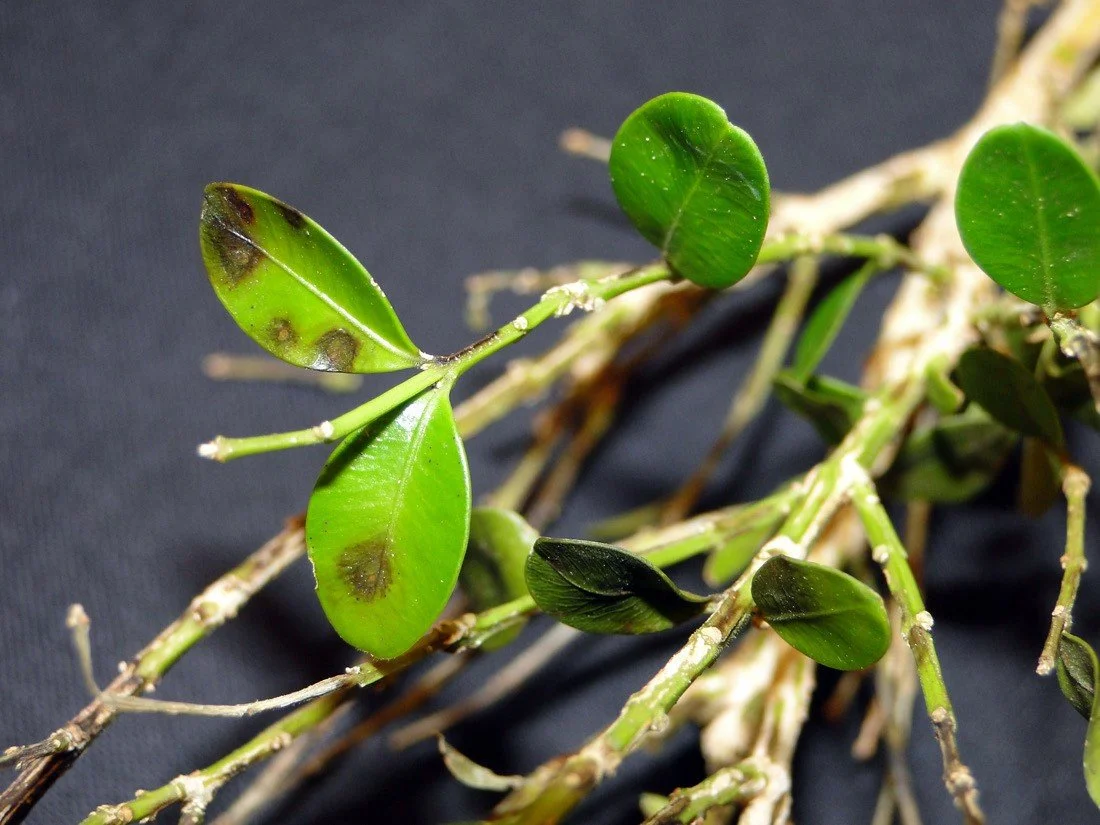
Leaf spot symptoms. Photo by Sharon M. Douglas, University of Connecticut.
Complicating matters further, southeast Michigan is also dealing with boxwood blight, a fungal disease that can produce similar browning and leaf drop.
The difference matters because treatment approaches are completely different.
Box tree moth damage usually includes:
Chewed foliage
Visible caterpillars
Webbing
Boxwood blight typically causes:
Black stem lesions
Circular leaf spots
Rapid defoliation without chewing damage
In some cases, stressed shrubs may suffer from both problems simultaneously.
Should Homeowners Replace Damaged Boxwoods?
That question is becoming increasingly common across metro Detroit.
Some homeowners are choosing to remove boxwoods entirely rather than commit to ongoing monitoring and spraying. Others are replacing dead shrubs with alternatives like inkberry holly, yew, or dwarf arborvitae.
Still, many gardeners are trying to preserve mature boxwoods because replacing large established hedges can be extremely expensive.
What You Should Do Right Now
If you have boxwoods on your property:
Inspect them closely this spring and summer
Look deep inside the shrub for webbing or caterpillars
Watch for rapid browning or chewed leaves
Avoid transporting boxwood clippings outside quarantine areas
Report suspected infestations to the State of Michigan
The state encourages residents to submit reports through Michigan’s Eyes in the Field reporting system.
A New Reality for Detroit Landscapes
The box tree moth may become one of the most destructive ornamental landscape pests Michigan has faced in years.
For homeowners across the Detroit suburbs, the challenge now is balancing preservation with practicality: protecting beloved shrubs while recognizing that some traditional landscape plants may become increasingly difficult to maintain.
If you begin seeing browning boxwoods in your neighborhood this year, you are not alone — and the culprit may be far more serious than a rough winter.