
Spring Lawn Care Tips for Southeast Michigan
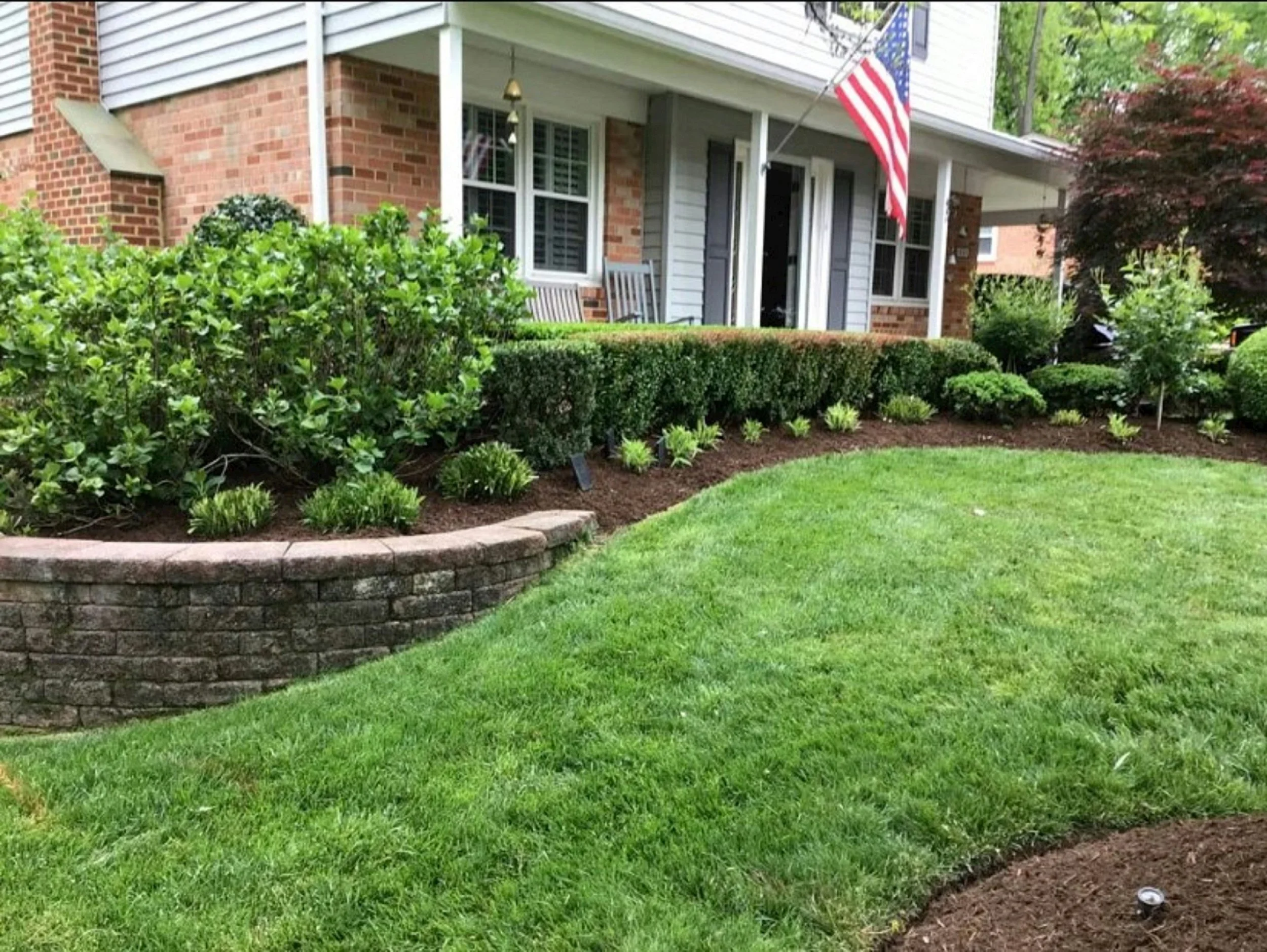
Spring lawn care on Detroit’s East Side is all about helping your grass recover from winter stress and preparing it for the warm, humid summer ahead. The area’s proximity to Lake St. Clair means cooler springs, higher moisture, and clay-heavy soils—conditions that reward early, consistent care.
1. Start With a Thorough Cleanup
Once the snow has melted and the ground is firm, begin by removing debris. A clean lawn allows sunlight and air to reach the soil surface, helping grass wake up faster.
Spring debris removal — Clear leaves, sticks, and leftover thatch.
Gentle raking — Use a leaf rake to lift matted grass and reduce mold.
Check for snow mold — Common in Michigan; raking usually resolves it.
2. Address Soil Compaction and Thatch
Grosse Pointe’s clay soils compact easily, especially after a wet winter.
Core aeration — Best done in late spring if the soil feels hard or water pools.
Dethatching — Remove thick thatch layers over ½ inch.
Aeration improves root growth and helps fertilizer and water penetrate deeper.
3. Apply a Spring Fertilizer
Michigan lawns are mostly cool-season grasses (Kentucky bluegrass, perennial rye, fescues). These grasses benefit from a light spring feeding.
Early spring fertilizer — Use a slow‑release nitrogen formula.
Avoid over-fertilizing — Too much nitrogen encourages disease.
If you fertilized heavily in the fall, go lighter in spring.
4. Prevent Weeds Before They Start
Crabgrass is a major issue in Grosse Pointe due to warm summers and lakeside humidity.
Pre-emergent herbicide — Apply when soil temps reach ~55°F (usually late April).
Spot-treat broadleaf weeds — Dandelions and clover emerge early.
Timing is everything — once crabgrass germinates, it’s much harder to control.
5. Overseed Bare or Thin Spots
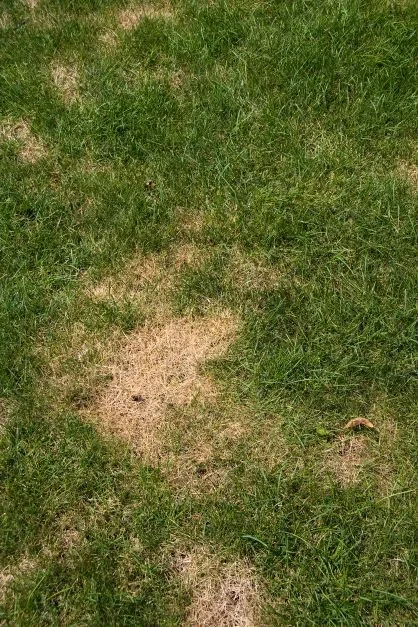
Winter damage, salt exposure, and snow plows often leave patches.
Overseeding cool-season grass — Use a high-quality Michigan seed blend.
Topdressing — Light compost helps seed germinate.
Important: If you used pre-emergent, choose a product compatible with seeding or wait 6–8 weeks.

6. Water Wisely
Spring in Grosse Pointe is often rainy, so watering needs are minimal.
Deep, infrequent watering — Only water during dry spells.
Avoid overwatering — Clay soils can stay soggy and promote disease.
7. Mow Correctly From the Start
Your first mow sets the tone for the season.
Sharpen mower blades — Dull blades tear grass.
Cut at 3–3.5 inches — Ideal for Michigan cool-season lawns.
Follow the one-third rule — Never remove more than ⅓ of the blade at once.
8. Consider a Soil Test
Grosse Pointe soils often run alkaline and may need amendments.
Soil testing — Reveals pH and nutrient levels.
Adjust pH — Lime or sulfur may be recommended.
Michigan State University Extension offers reliable soil testing services.
Final Thoughts
Spring lawn care in Grosse Pointe is all about timing, soil health, and preventing weeds before they appear. With the right early-season steps, your lawn will be thick, green, and resilient all summer long.