
Rabbits Eating Your Landscape? Here’s How to Deter Them
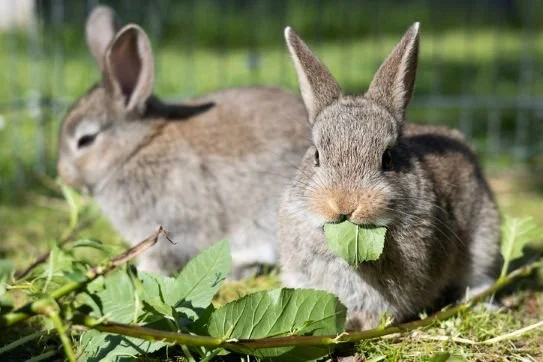
Rabbits are a persistent challenge for gardeners in the Grosse Pointe, St. Clair Shores and Detroit communities, especially during early Spring and Winter when food is scarce and new growth is tender.
The mix of mature trees, landscaped yards, and lake effect winters creates ideal conditions for rabbits to feed on shrubs, perennials, and young bark.
Rabbits tend to feed along edges, where a lawn meets planting beds and they prefer tender shoots, young stems, and smooth bark.
If you notice stems cut cleanly at a 45-degree angle, usually within a foot of the ground, you’re almost certainly dealing with rabbit activity.
Understanding these habits helps you target your defenses more effectively.
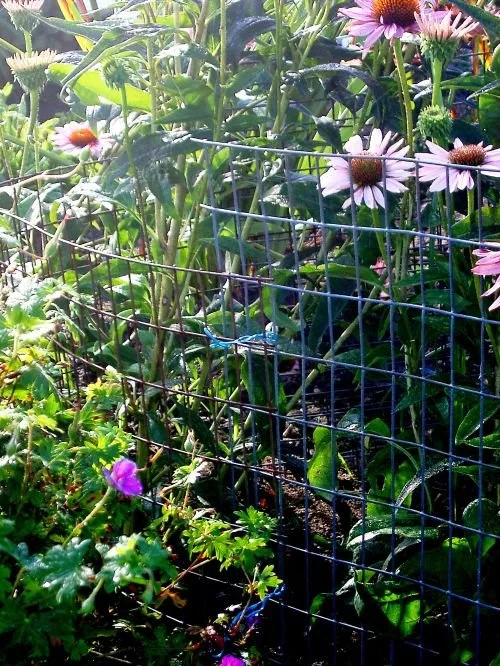
Chicken wire makes an effective barrier for rabbits and other animals.
Photo Courtesy of Michigan State University Extension
Here’s a few tips:
1. Rabbit‑Proof Fencing
Fencing is the most reliable long-term solution. Use 1-inch galvanized hardware cloth or rabbit fencing, installed 24–30 inches high. Bury the bottom at least 6 inches or bend it outward to form an apron that prevents digging. Secure the fence tightly to posts so rabbits can’t squeeze through gaps. This method is especially effective for protecting high-value shrubs and perennial beds during winter.
2. Scent‑Based Repellents
Repellents made from garlic, rotten egg solids, or predator urine can discourage rabbits from browsing. These products are safe for pets and children when used as directed. Apply them around the perimeter of beds and directly on shrubs or perennials that rabbits target. Because rabbits adapt quickly, rotate repellents and reapply after rain or heavy dew. Repellents work best as part of a broader strategy rather than a standalone solution.
3. Rabbit‑Resistant Shrubs
While no plant is completely rabbit-proof, several shrubs perform well in Michigan landscapes and are typically avoided by rabbits. Options that thrive in the Grosse Pointe Woods climate include:
Red Osier Dogwood — A hardy native with good resistance.
Catawba Rhododendron — “Ironclad” varieties withstand both cold and browsing.
Sweetshrub — Slightly toxic, making it unappealing to rabbits.
Fothergilla — Occasionally nibbled but rarely damaged.
Hydrangea (Smooth & Oakleaf) — Surprisingly resistant in Midwest trials.
Incorporating these shrubs reduces the likelihood of winter bark damage and helps create a more resilient landscape.
4. Temporary Covers for Perennials
Early spring is the most vulnerable time for perennials like hostas, coneflowers, and tulips. Protect new shoots with mesh cloches, upside-down nursery trays, or lightweight netting. These covers are especially useful during the first few weeks of growth, when plants are tender and rabbits are hungry after winter.
5. Reduce Rabbit Habitat
Rabbits prefer areas with cover, so reducing hiding spots can significantly decrease grazing. Keep garden edges trimmed, remove brush piles, and avoid dense groundcovers near planting beds. Raising the canopy of low shrubs also eliminates sheltered feeding zones.
While motion-activated sprinklers or lights may help temporarily, rabbits often learn to ignore them. A dog, however, remains one of the most effective natural deterrents.
Final Takeaway
Protecting shrubs and perennials in Michigan requires a layered strategy. This integrated approach works reliably in Michigan’s climate and keeps your landscape healthy throughout the year.